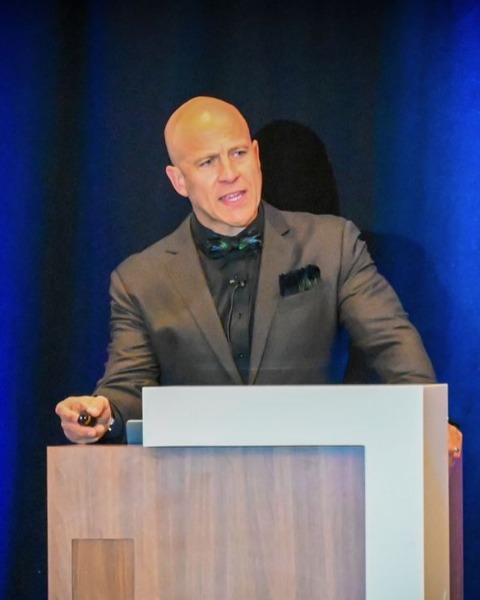
Steve D. Shufflebarger, DDS, Adjunct Professor: No financial relationships to disclose
In the emergency management space, the AHA has established standards for teams of doctors in hospitals as well as for laypeople outside the hospital (babysitters, camp counselors, etc.). Dental settings differ dramatically from both poles and fall in between. Dentists have more education in physiology and pharmacology than laypeople. But dental offices lack the ubiquitous imaging, laboratory, and intervention equipment found in hospital EDs. Further, BLS courses focus on attempting to reverse pulseless arrest (death), which is a late outcome that often can be avoided if interventions are performed in a timely manner. ACLS and PALS courses may train providers to prevent deterioration of live patients before arrest, but as noted above, most dentists lack the equipment/credentialed staff to perform all of the AHA interventions. Finally, most prefabricated “dental emergency kits” contain expensive drugs/supplies unfamiliar to dentists that are often unhelpful or inappropriate for outpatient settings. This course will allow participants to learn how to establish a process for evaluating patients in distress, explore treatment algorithms for various emergent events, and learn about office equipment and staff needs for proficient EM management.
Learning Objectives:
Learn how to establish a process for evaluating patients in distress
Learn about treatment algorithms for various emergent events
Examine office equipment and staff needs for proficient EM management