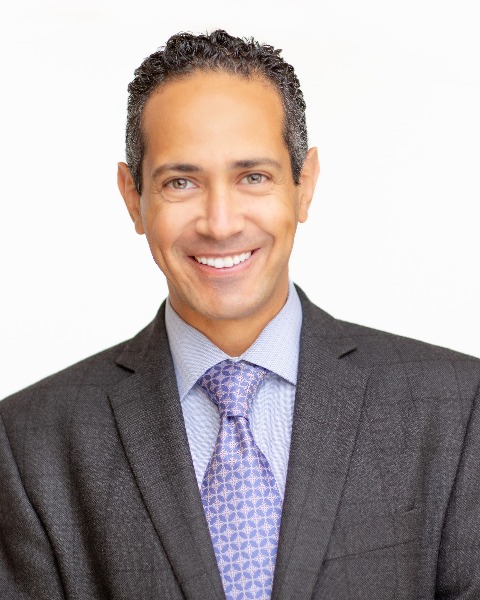
Mohamed Attia, DDS, FAAID, DABOI/ID: No relevant disclosure to display
Avoiding dental implants complications requires a comprehensive approach that integrates surgical precision with restorative foresight. The key to minimizing complications lies in placing implants with a clear understanding of the final restorative outcome. This involves meticulous pre-surgical planning, taking into account factors such as occlusion, esthetics, and soft tissue management. Malalignment of implants can lead to significant restorative challenges, including failure to restore or failure of the restoration, compromised esthetics, and occlusal discrepancies.
Addressing these issues necessitates a multifaceted strategy: correcting implant angulation through angled abutments, utilizing custom abutments, and, in some cases, performing corrective surgeries. Advanced digital technologies, such as computer-guided surgery and CAD/CAM systems, play a crucial role in achieving optimal implant positioning and enhancing restorative precision. Continuous education and interdisciplinary collaboration are essential for clinicians to effectively manage and prevent implant complications, ensuring long-term success and patient satisfaction. The session highlights preoperative assessments, patient screening, meticulous treatment planning, and advanced techniques aimed at averting surgical and prosthetic complications.
Learning Objectives:
Learn how to avoid clinical complications with proper treatment planning and appropriate workflow
Learn about the management of surgical and restorative complications